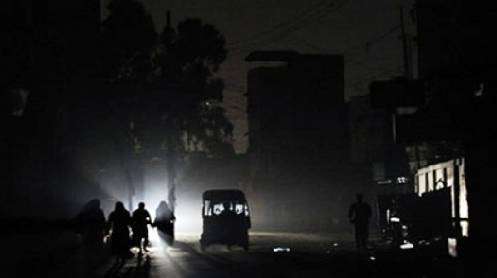
ISLAMABAD: The government has begun controlled power loadshedding of up to three hours daily to manage a generation shortfall driven by reduced hydropower output and limited fuel availability, officials confirmed on Monday.
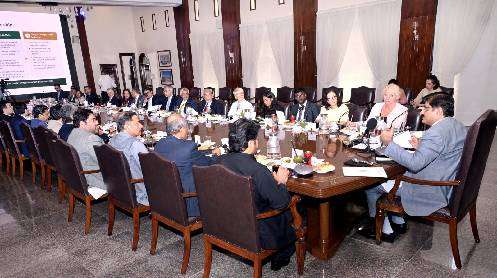
Sources said the country is facing a supply gap of 2,000–2,500 megawatts, primarily due to lower water releases from reservoirs and curtailed generation from Regasified Liquefied Natural Gas-based power plants. The situation has been reviewed by a high-level committee led by Finance Minister Muhammad Aurangzeb.
Officials clarified that Pakistan does not face a shortage of installed generation capacity. However, limited load management—averaging around 2.25 hours, mainly during nighttime—is being implemented to reduce reliance on costly furnace oil and contain the Fuel Charges Adjustment.
According to data from WAPDA, water inflows and storage levels at key reservoirs remain below optimal levels. At Tarbela Dam and Mangla Dam, reduced outflows have constrained hydropower generation, despite moderate storage levels.
Meanwhile, furnace oil prices have nearly doubled in recent months, significantly increasing the cost of thermal power generation. This has forced the government to limit its use to avoid passing on additional financial burden to consumers.
The power sector is also grappling with a severe gas shortage. RLNG supply has dropped sharply, with current availability hovering around 80 MMCFD against a demand of nearly 350 MMCFD. This has impacted major RLNG-based plants, including Bhikki Power Plant, Haveli Bahadur Shah Power Plant, and Balloki Power Plant.
As a result, consumers are likely to face a positive FCA adjustment exceeding Rs2 per unit for March 2026, reflecting increased dependence on expensive fuel sources.
The government’s move highlights the growing strain on Pakistan’s power sector amid fluctuating fuel supplies, rising generation costs, and seasonal challenges affecting hydropower output.
Story by Mushtaq Ghumman